As an extremely important component of your Heavy Equipment’s cooling system, coolant can help prevent cavitation, corrosion, freezing, and rust. A periodic inspection of your Heavy Equipment’s coolant can provide information that is important to performance and health.
Most heavy-duty antifreeze is approximately 95% ethylene glycol and 5% water and additives. Approximately 1% of all antifreeze is manufactured using from propylene glycol, which is less toxic but more expensive than ethylene glycol. When glycol is mixed with water, coolant is created. Most coolant is 30% – 50% glycol. Additives are incorporated to fight corrosion, rust, scale, and they also help to protect wet cylinder sleeves from cavitation.
Choosing the right coolant and periodically inspecting it can work wonders for your cooling system. Follow these recommendations for optimal cooling system health and performance.
Buying Coolant for My Heavy Equipment
• Check to see if the coolant you purchase for your Heavy Equipment states that it complies with ASTM standard D-6210 on the package.
• Deionized water should be used for all Heavy Equipment coolant. Most (if not all) diesel coolants should be prediluted.
• When you find a coolant you are happy with, stick with it. Never mix them. Always follow the maintenance suggestions from the manufacturer.
Coolant Maintenance Recommendations
• Periodically conduct visual tests. The coolant should be clean and free of rust coloration.
• Get a heavy equipment coolant analysis test kit. The recommended interval for testing is 1,000 hours.
• Be sure to note the color changes on the test kit strips as they can indicate freeze/boil point (glycol content) and nitrite levels. Some test strips will also indicate PH balance.
For more information on coolant, ask a diesel technician at your next visit to Flying Wrench Services or call us today at: (360) 638-0044.
Do we dare celebrate the end of winter here in Washington? I sure hope we can! And if this is indeed the case, you will want to start preparing for warmer weather. Winter consists of harsh weather that can really do a number to your truck. As the weather starts to warm up, you will want to “take stock” of the impact it had and prepare for the nice weather ahead to ensure it’s in good driving condition. This can lead to some general maintenance and potential repair work. You may also want to reconsider any potential performance upgrades that you have considered in the past.
When it comes to Spring check-ups for your truck, Flying Wrench Services performs a full 100-point inspection. If you are a DIY truck owner, you can use this list to make sure you’ve considered these major factors as well.
Under the Hood
Check Engine Oil – This may seem like a no-brainer, but you will want to check levels and top it off if you have some time before your next change. Of course, it’s best to just do a change altogether and start Spring off on a fresh note.
Check and Top Other Fluids – Again, this may be a no-brainer but this goes beyond just a simple washer fluid and coolant check. You will also want to be sure to check and top-off your gear oil, transfer case fluid, DEF (when applicable) and transmission fluid.
Check the Battery – Winter can put a lot of strain on a battery. Check the terminals for corrosion and if you suspect any issues that may not be visible, bring it into our shop.
Check or Change Air Filters – Be sure to check air filters for debris buildup and if they are close or beyond their sell-by-date, replace them. Additionally, check your cabin filters to ensure proper functionality of the air conditioning.
Outside of Truck Maintenance
Check Windshield Wipers – Constant use during the wintertime can beat up your wipers in a hurry. We will check and replace them if a replacement is needed.
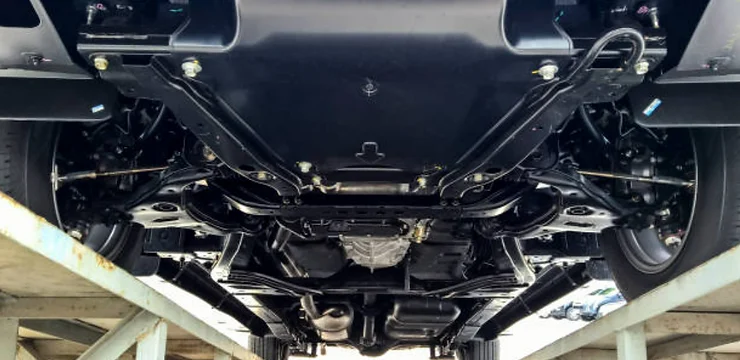
Undercarriage – This includes an inspection of the u-joints, driveline, steering and tracking components, and suspension components. If you are inspecting these components yourself, be sure to look for looseness and impact damage in the ball and socket joints. The best time to grease applicable components is when the load is off the steer axle. For the u-joints, look for looseness and rust in the roller ends. Also inspect the propeller shaft for damage and if the balance weights are present.
This is just a quick rundown of the important things to look for when performing a Spring check-up on your truck. If you think your needs go beyond a simple check-up and that you’re in need of wholesale replacements, it’s best to bring your truck to our shop. Our 100-point inspection will make sure that no stone is left unturned as we prepare you for off-road adventures and Springtime fun!
If you own a diesel truck, you know those diesel engines are hard workers. A well-kept diesel engine is extremely dependable at times when we need them most. Even though they are dependable and tough, a diesel truck needs to be properly cared for to achieve optimal performance and longevity.
It is important to know what to look for when your truck may need repairs or some general TLC. Here are some signs that it’s time to have diesel mechanic perform an inspection before things spiral out of control and cost you valuable time and money.
Loss of Power
Loss of power can happen for a multitude of reasons, but fuel delivery tends to be one of the most common culprits. An easy way to avoid this is to make sure the fuel filter bowl is drained on schedule and to look for signs of a damaged or malfunctioning fuel filter.
Overheating
You don’t want to deal with overheating issues. These can often lead to much bigger and more expensive problems, including significant damage to the engine itself. There are many different causes to overheating so if you are not an experienced diesel mechanic, your best bet is to get your truck scheduled with us right away.
Oxidized Oil
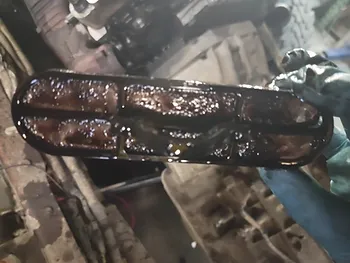
Oxidized oil most commonly occurs when your truck is left dormant for long periods of time without being started or used. When oxygen gets into the oil it creates bubble that negatively impact the lubrication element that the oil is supposed to provide. Without proper lubrication, significant and costly damage to the engine can occur. If your truck has remained idle for long periods of time, change the oil before starting it again.
Contaminated Diesel Fuel
Diesel fuel contains a high level of viscosity which also increases the chances of contamination. Common contaminates include Glycol, Dilution, Water, and Soot. If you notice any signs of contamination in the fuel tank, purge and clean it thoroughly. If you think there is a chance it may be contaminated but aren’t quite sure, bring it in to us immediately.
Oil Sludge
Oil “sludge” is grime and oil waste that is mixed in with the oil supply. It can sometimes be easily noticed by the change in thickness of your oil. If you notice oil sludge, it is an indication that your engine components are not being lubricated properly. This is another issue that is best to be addressed by an experienced diesel mechanic.
Blue Smoke
This is more of a severe issue so please don’t ignore it. This can be caused by an oil chamber that is over-filled, a serious oil leak, or worn cylinders.
Hard Starts
If you notice that your truck is lurching forward instead of accelerating gradually, this is another sign of a serious problem that needs to be addressed immediately.
Black Exhaust
Black exhaust usually occurs when air and fuel in the engine are not being properly balanced. It’s also important to note that black exhaust is usually full of dangerous toxins and chemicals, making it a danger to you and your family. And of course, excessive black smoke can also lead to a lot of attention from the Police.
Broken or malfunctioning fuel pumps can also cause black exhaust. Clogged air filters don’t allow the right amount of oxygen to get into the engine and can also cause black exhaust. This isn’t an issue that you should take lightly so give us a call if you notice this issue with your truck.
Be sure to stay aware of any changes in your trucks handling and performance and look for the signs noted above. Staying vigilant with check ups and repairs can save you a lot of time and money. If you have any questions about this blog or the issues described within, contact us today!
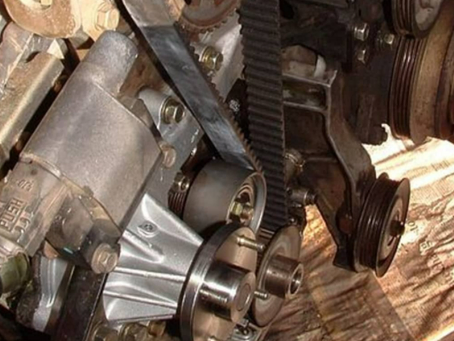
Your truck’s engine is comprised of various components that create an incredible amount of friction and heat. The water pump moves coolant from the radiator and disperses it through the engine system to keep everything at optimal temperature.
When the water pump is failing it will cause your engine to overheat, which can do damage to cylinder heads, gaskets, and pistons. This can result in catastrophic and irreversible engine failure.
Here are some signs that you might need to get your water pump replaced:
Leaking Coolant
Your trucks water pump is made up of various seals and parts to facilitate a consistent flow of coolant from the radiator to the engine block (via the thermostat) and back to the radiator. With time, these seals and parts loosen up, wear out, or break and crack. This can allow the coolant to leak from the system to the ground. You can diagnose whether a wet spot is a coolant leak (or not) by visually inspecting the fluid on the ground by dipping your finger in it. If it has a green (or sometimes red) coloration you are dealing with coolant. This fluid also has an unmistakable smell if you need to smell it to be sure.
Rust or Deposit Buildup
Over time, consistent leakage will lead to buildup of sludge, scale, and rust on the water pump. Be sure that you are always using the right coolant for your truck and that the pressure cap is on tight or isn’t damaged. When parts of the pump develop holes or cavitation due to corrosion, the pump will become less effective, and this is generally when failure occurs.
Noise
If you hear uncommon noises when you accelerate, you could have a loose accessory belt. You will also want to be aware of strange noises coming from your engine, as this can be an indication or early warning sign of failure.
Being proactive and attentive can make all the difference in adding to the lifespan of your diesel engine. If you have any question as to what you are experiencing, call our shop at 360-638-0044 and schedule an inspection.
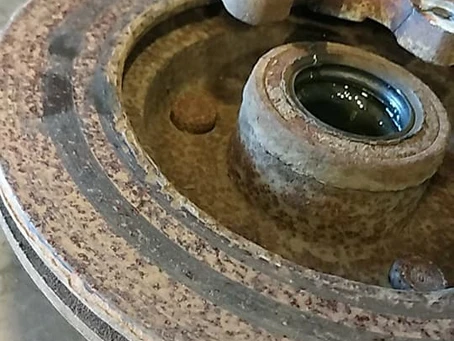
The brakes on a diesel pickup truck can last anywhere from 3-7 years depending on usage. There are many reasons why your brake pads can wear out faster than they should. As Kitsap County’s most trusted diesel repair shop, our mechanics have seen it all. Here are a few tips that will help you expand the lifespan of your brake pads.
Speeding Wears Down Brakes Faster
You can protect your brakes (and yourself) by avoiding excessive speeds. Speeding requires more energy and therefore wears down brake material faster. Also, speeding generally causes slow-downs when you catch up to traffic, which causes you to use your brakes more often then you might if you stayed a reasonable distance from other drivers.
Gradual Stops
Another way to protect your brakes is to coast to your next stop. Gradually slowing down before stopping will put alot less force on your brakes and should extend their lifespan.
Avoid Overloading
Sometimes carrying large amounts of weight is unavoidable, but you should try to minimize the weight you are carrying whenever possible. Overloaded trucks also require more pressure to your brakes and will wear down brake materials faster.
Shift Gears Downhill
Another great practice that will extend the lifespan of your brakes is “engine braking.” This is achieved by shifting gears as you are going downhill. This will allow your engine to assist in the natural slow-down of your truck before braking, which takes a lot of pressure off your brakes. Just be sure that you don’t down-shift at too high of a speed and don’t skip gears. When not done properly, engine braking can put a lot of wear and tear on your engine.
Don’t Use Both Pedals At The Same Time
Sometimes folks keep one foot on the gas and one on the brakes, which can sometimes lead to both pedals be used at the same time. For the sake of your brakes, we recommend learning to use your right foot for both pedals. Pushing the gas and the brakes at the same time causes excess friction on the brake pads and will wear them down faster.
Spend The Extra Money For Good Brake Parts
You will get a much longer lifespan from your brakes if you are buying high-quality parts. We know that the economy isn’t great right now, but you will be paying much more in labor if your brakes need to be changed more frequently then you would if you spend on good products.
Use Your Exhaust Brake
If you have one equipped, use your exhaust brake when necessary. This will not only reduce wear and tear on your brakes but will also increase the life of your VGT/ VVA style turbochargers!
Finally, always be sure that your brakes are being installed correctly. Improper brake installation will cause your brakes to wear down quickly and unevenly. For best results and products, schedule an appointment with the professionals at Flying Wrench Services & Performance!
There are many industries where heavy-duty trucks and equipment are the main asset. Trucking (or freight hauling), Construction, Military, and other industries absolutely thrive on this equipment. When trucks and heavy-duty equipment break down, it’s essential that repairs are done accurately and efficiently.
The benefits to outsourcing your diesel fleet repair services go beyond simply saving time and money. A good diesel shop will perform services that will benefit you long after your truck or equipment leaves the parking lot.
Technology and Training
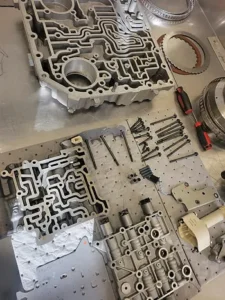
With Flying Wrench Services, you can take advantage of the latest diagnostic technology. All of our mechanics take part in ongoing training each year to keep them up to date on all these technologies as well as any other changes in the industry.
Preventative Maintenance & Documentation
A good diesel shop will provide you with preventative maintenance documents and information using metrics and industry trends. You can use this information to keep your trucks and equipment operating for longer periods of time, to educate staff, and enhance driver training.
Roadside Assistance
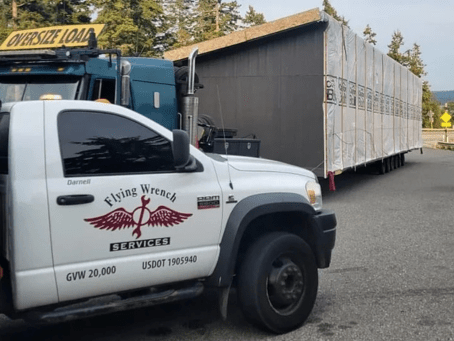
Staffing in-house mechanics can get even more messy when you start sending them out to provide emergency roadside assistance. With Flying Wrench Services, you will have dependable, affordable roadside assistance you can count on if emergencies arise.
Outsourcing your diesel fleet repairs is a great way save time and money while eliminating extra moving parts from your business. In our changing economy, it could become an extremely expensive undertaking to fully staff your business with the right mechanics while providing them with all the resources to successfully keep you on the road.
If you would like a consultation on what we can do for your fleet, call us at (360) 638-0044 and ask for Bernie, George, or Chad.











 any other changes in the industry.