If you own a diesel truck, you know those diesel engines are hard workers. A well-kept diesel engine is extremely dependable at times when we need them most. Even though they are dependable and tough, a diesel truck needs to be properly cared for to achieve optimal performance and longevity.
It is important to know what to look for when your truck may need repairs or some general TLC. Here are some signs that it’s time to have diesel mechanic perform an inspection before things spiral out of control and cost you valuable time and money.
Loss of Power
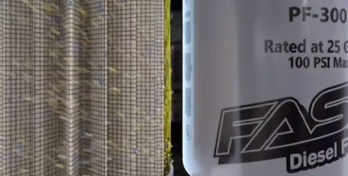
Loss of power can happen for a multitude of reasons, but fuel delivery tends to be one of the most common culprits. An easy way to avoid this is to make sure the fuel filter bowl is drained on schedule and to look for signs of a damaged or malfunctioning fuel filter.
Overheating
You don’t want to deal with overheating issues. These can often lead to much bigger and more expensive problems, including significant damage to the engine itself. There are many different causes to overheating so if you are not an experienced diesel mechanic, your best bet is to get your truck scheduled with us right away.
Oxidized Oil
Oxidized oil most commonly occurs when your truck is left dormant for long periods of time without being started or used. When oxygen gets into the oil it creates bubble that negatively impact the lubrication element that the oil is supposed to provide. Without proper lubrication, significant and costly damage to the engine can occur. If your truck has remained idle for long periods of time, change the oil before starting it again.
Contaminated Diesel Fuel
Diesel fuel contains a high level of viscosity which also increases the chances of contamination. Common contaminates include Glycol, Dilution, Water, and Soot. If you notice any signs of contamination in the fuel tank, purge and clean it thoroughly. If you think there is a chance it may be contaminated but aren’t quite sure, bring it in to us immediately.
Oil Sludge
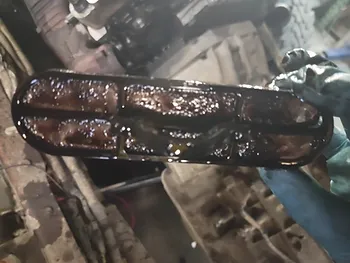
Oil “sludge” is grime and oil waste that is mixed in with the oil supply. It can sometimes be easily noticed by the change in thickness of your oil. If you notice oil sludge, it is an indication that your engine components are not being lubricated properly. This is another issue that is best to be addressed by an experienced diesel mechanic.
Blue Smoke
This is more of a severe issue so please don’t ignore it. This can be caused by an oil chamber that is over-filled, a serious oil leak, or worn cylinders.
Hard Starts
If you notice that your truck is lurching forward instead of accelerating gradually, this is another sign of a serious problem that needs to be addressed immediately.
Black Exhaust
Black exhaust usually occurs when air and fuel in the engine are not being properly balanced. It’s also important to note that black exhaust is usually full of dangerous toxins and chemicals, making it a danger to you and your family. And of course, excessive black smoke can also lead to a lot of attention from the Police.
Broken or malfunctioning fuel pumps can also cause black exhaust. Clogged air filters don’t allow the right amount of oxygen to get into the engine and can also cause black exhaust. This isn’t an issue that you should take lightly so give us a call if you notice this issue with your truck.
Be sure to stay aware of any changes in your trucks handling and performance and look for the signs noted above. Staying vigilant with check ups and repairs can save you a lot of time and money. If you have any questions about this blog or the issues described within, contact us today!
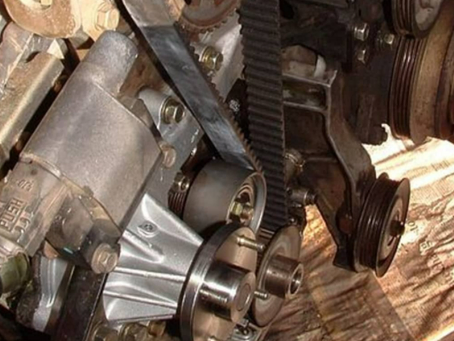
Your truck’s engine is comprised of various components that create an incredible amount of friction and heat. The water pump moves coolant from the radiator and disperses it through the engine system to keep everything at optimal temperature.
When the water pump is failing it will cause your engine to overheat, which can do damage to cylinder heads, gaskets, and pistons. This can result in catastrophic and irreversible engine failure.
Here are some signs that you might need to get your water pump replaced:
Leaking Coolant
Your trucks water pump is made up of various seals and parts to facilitate a consistent flow of coolant from the radiator to the engine block (via the thermostat) and back to the radiator. With time, these seals and parts loosen up, wear out, or break and crack. This can allow the coolant to leak from the system to the ground. You can diagnose whether a wet spot is a coolant leak (or not) by visually inspecting the fluid on the ground by dipping your finger in it. If it has a green (or sometimes red) coloration you are dealing with coolant. This fluid also has an unmistakable smell if you need to smell it to be sure.
Rust or Deposit Buildup
Over time, consistent leakage will lead to buildup of sludge, scale, and rust on the water pump. Be sure that you are always using the right coolant for your truck and that the pressure cap is on tight or isn’t damaged. When parts of the pump develop holes or cavitation due to corrosion, the pump will become less effective, and this is generally when failure occurs.
Noise
If you hear uncommon noises when you accelerate, you could have a loose accessory belt. You will also want to be aware of strange noises coming from your engine, as this can be an indication or early warning sign of failure.
Being proactive and attentive can make all the difference in adding to the lifespan of your diesel engine. If you have any question as to what you are experiencing, call our shop at 360-638-0044 and schedule an inspection.